


An eyebrow transplant London procedure requires far greater precision than traditional scalp hair transplantation because eyebrow hairs grow at unique angles and directions. Unlike scalp hair, eyebrow follicles lie almost flat against the skin, which means surgeons must carefully control graft placement to achieve natural-looking results.
Eyebrows play a major role in facial balance and expression. Even a slight change in hair direction can affect the overall appearance of the face. This is why many patients seeking cosmetic surgery in London choose specialised clinics with experience in facial hair restoration procedures such as the FUE eyebrow transplant.
Understanding how graft angles influence the outcome helps explain why eyebrow transplantation requires a different surgical approach compared with scalp procedures.
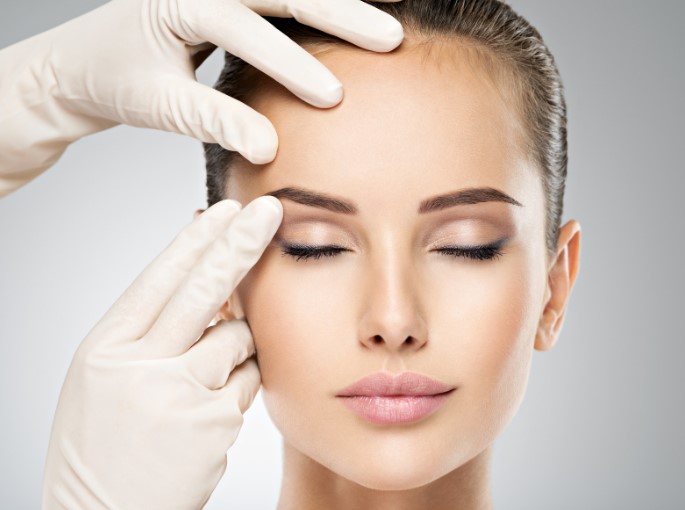
Understanding Hair Growth Patterns in Eyebrows
Before performing an eyebrow transplant London procedure, surgeons carefully analyse how eyebrow hair naturally grows.
Unlike scalp hair, eyebrow hair follows a complex pattern across the brow. Each eyebrow typically contains three sections:
- Inner brow (head) – hairs grow upward and slightly outward
- Middle brow (body) – hairs grow almost horizontally
- Outer brow (tail) – hairs grow downward toward the temple
During an FUE eyebrow transplant, surgeons must replicate these natural growth directions by placing each graft at a very precise angle.
If grafts are placed incorrectly, the hairs may grow in unnatural directions or stand upright, which can make the results appear artificial.
Why Graft Angles Matter in Eyebrow Hair Transplant London Procedures
One of the biggest technical challenges in an eyebrow transplant London procedure is controlling the angle at which hair follicles are implanted.
Scalp hair usually grows at an angle of around 45 degrees, while eyebrow hair grows at a much flatter angle, often between 5 and 15 degrees.
Correct graft placement is essential for several reasons:
- Ensures natural hair direction
- Prevents hairs from sticking outward
- Creates realistic eyebrow density
- Maintains facial symmetry
Because of these factors, surgeons performing FUE eyebrow transplant procedures must insert each follicle individually at an extremely shallow angle.
This level of precision requires experience and specialised surgical tools designed for delicate facial procedures.
How an FUE Eyebrow Transplant Differs From Scalp Hair Transplants
Although both procedures involve transferring hair follicles from a donor area, an FUE eyebrow transplant differs from scalp transplantation in several key ways.
Graft Selection
Eyebrow transplantation requires mostly single-hair grafts, while scalp procedures often use grafts containing multiple hairs.
Implantation Angle
As discussed earlier, eyebrow grafts must be placed at a much flatter angle to match natural growth patterns.
Density Control
The eyebrow requires careful density control to create a soft and natural appearance.
Artistic Design
Because eyebrows frame the eyes, the procedure requires a strong aesthetic understanding of facial proportions.
For patients exploring cosmetic surgery in London, these factors make eyebrow restoration a highly specialised form of hair transplantation.
Designing the Ideal Eyebrow Shape
Every eyebrow transplant London treatment begins with detailed planning.
The surgeon will assess the patient’s facial features to design an eyebrow shape that complements their natural appearance.
Important design considerations include:
- Face shape
- Eye position
- Existing brow hair
- Desired thickness and arch
- Gender-specific brow style
Once the ideal shape is designed, the surgeon carefully places grafts along the eyebrow line, ensuring each follicle follows the correct growth direction.
During an FUE eyebrow transplant, this meticulous approach helps recreate a natural-looking brow pattern.
Donor Hair Selection and Preparation
Another important factor in eyebrow transplantation is choosing the right donor hair.
Hair is usually harvested from the back of the scalp, where follicles are strong and resistant to hair loss.
However, surgeons must select hairs that are fine enough to resemble natural eyebrow hair.
During an FUE eyebrow transplant, individual follicles are extracted and prepared before implantation.
Because scalp hair grows longer than eyebrow hair, patients may need to trim transplanted hairs regularly to maintain the desired brow shape.
Recovery After Eyebrow Transplant Surgery
Recovery after an eyebrow transplant London procedure is usually quick and straightforward.
Patients may experience mild redness or swelling around the treated area for a few days.
Typical recovery stages include:
First week
- Small scabs form around transplanted follicles
- Mild redness or swelling may occur
Two to three weeks
- Transplanted hairs may shed temporarily
- This is a normal part of the growth cycle
Three to four months
- New hair growth begins from the transplanted follicles
Six to twelve months
- Final eyebrow density becomes visible
Because the transplanted follicles are permanent, the results of the procedure can last a lifetime.
Who Is a Good Candidate for Eyebrow Transplantation?
Eyebrow restoration may be suitable for individuals who have:
- Sparse or thin eyebrows
- Over-plucked brows
- Hair loss caused by scarring
- Uneven eyebrow growth
- Genetic eyebrow thinning
Patients seeking cosmetic surgery in London often choose eyebrow transplantation when non-surgical treatments cannot restore eyebrow density.
A consultation with a qualified surgeon will determine whether the procedure is appropriate based on hair availability and desired results.
Achieving Natural and Balanced Results
The success of an eyebrow transplant London procedure depends heavily on the surgeon’s understanding of facial aesthetics and hair growth patterns.
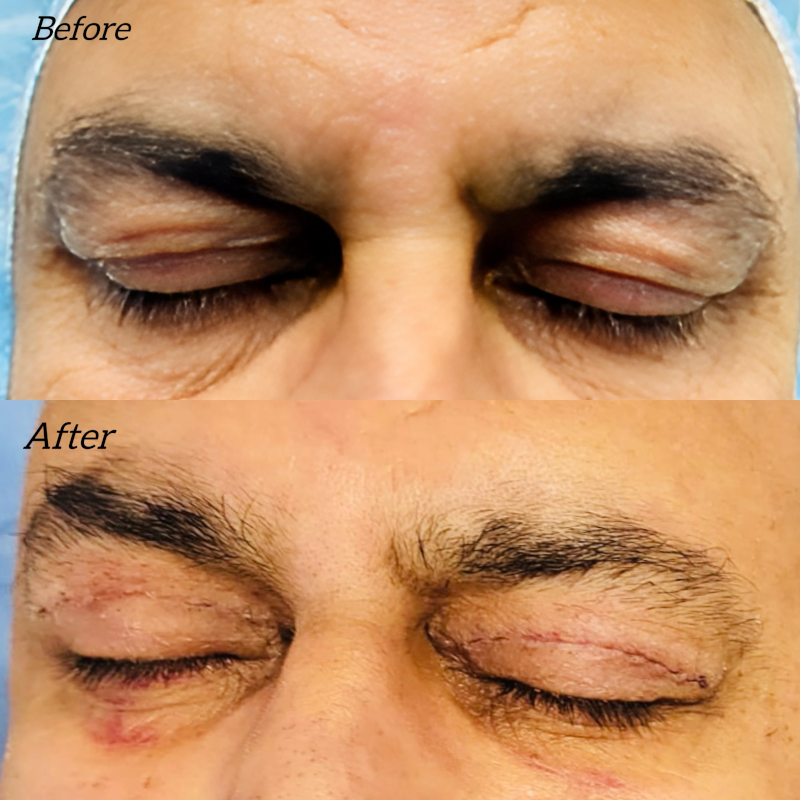
Precise graft placement, careful design, and proper angle control allow the transplanted hairs to blend naturally with existing eyebrow hair.
Advanced techniques such as FUE eyebrow transplant make it possible to recreate realistic eyebrow density while maintaining natural hair direction.
For many patients, the procedure provides a long-term solution for restoring fuller, well-shaped eyebrows.

-
- Screenshot

Leave a Reply