


An eyebrow hair transplant London procedure requires far greater precision than most scalp transplants because eyebrow hairs grow at extremely specific angles and directions. Surgeons must carefully recreate these natural patterns to achieve results that look authentic and balanced with the face.
Eyebrows frame the eyes and play a major role in facial expression. Even small differences in hair direction can affect how natural the final result appears. For this reason, specialists performing eyebrow restoration use techniques that differ significantly from standard scalp procedures.
Many patients seeking cosmetic surgery in London consider eyebrow restoration after years of over-plucking, medical hair loss, or naturally sparse brows. Understanding why graft angles matter helps explain why the procedure requires specialised expertise.
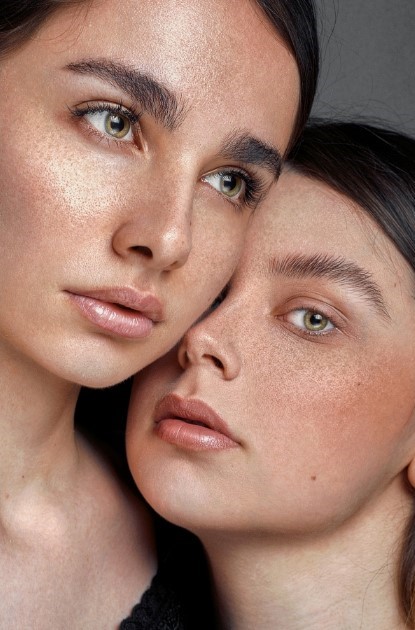
Understanding the Structure of Eyebrow Hair
Unlike scalp hair, eyebrow hairs grow almost flat against the skin. They also change direction across different parts of the brow.
A typical eyebrow contains three sections:
- Head of the brow – hairs grow upward and slightly outward
- Body of the brow – hairs lie almost horizontally
- Tail of the brow – hairs angle slightly downward
During an eyebrow hair transplant London procedure, surgeons must replicate each of these natural growth patterns. If the grafts are placed at the wrong angle, the hairs may stand upright or grow in unnatural directions.
This is why eyebrow transplantation requires careful planning before surgery begins.
Why Graft Angles Matter in an Eyebrow Hair Transplant London Procedure
One of the biggest differences between eyebrow restoration and scalp transplantation is the graft placement angle.
Scalp hair typically grows at an angle of around 45 degrees from the skin surface. Eyebrow hairs, however, grow much flatter, often 10–15 degrees from the skin.
Key reasons graft angles are critical:
- Natural appearance
Incorrect angles can make transplanted hairs stick out unnaturally. - Proper hair flow
Brows have a unique pattern where hairs overlap and interlock. - Facial symmetry
Correct graft direction ensures the brow complements facial features. - Easier grooming
Proper angles allow the hair to be trimmed and shaped naturally.
Because of these factors, surgeons performing an FUE eyebrow transplant must place each follicle individually at a precise orientation.
How an FUE Eyebrow Transplant Differs From Scalp Procedures
A standard hair transplant may involve placing thousands of grafts across the scalp. Eyebrow procedures typically use far fewer grafts but require greater accuracy.
An FUE eyebrow transplant focuses on harvesting single hair follicles rather than multi-hair grafts. This helps recreate the fine and delicate appearance of natural eyebrow hairs.
Differences between eyebrow and scalp transplants
| Factor | Eyebrow Transplant | Scalp Transplant |
|---|---|---|
| Hair angle | Very shallow | Moderate |
| Grafts used | Mostly single hairs | Often multi-hair grafts |
| Direction patterns | Complex and varied | More uniform |
| Density requirements | Precise shaping | Even coverage |
Because eyebrow restoration involves facial aesthetics, many patients exploring cosmetic surgery in London choose clinics with surgeons experienced in facial hair transplantation.
Designing a Natural Eyebrow Shape
Before surgery begins, the surgeon will design the eyebrow shape in consultation with the patient. The goal is to create a brow that suits the person’s facial structure.
Factors considered during design include:
- Face shape
- Eye position
- Brow thickness preference
- Existing hair pattern
- Gender-specific brow styles
Once the shape is planned, graft placement must follow the natural curvature of the brow.
During an eyebrow hair transplant London treatment, surgeons place grafts in tiny incisions created at carefully controlled angles. This ensures the transplanted hairs grow in harmony with surrounding hairs.
The Role of Donor Hair Selection
Another reason eyebrow transplantation differs from scalp procedures is donor hair selection.
Surgeons usually harvest donor follicles from the back of the scalp, where hair is finer and more resistant to hair loss.
However, donor hairs must match eyebrow characteristics as closely as possible. Thicker scalp hairs may need trimming after the procedure to maintain a natural appearance.
In an FUE eyebrow transplant, surgeons select follicles containing a single hair strand to replicate natural brow density.
Recovery and Hair Growth Timeline
Recovery after eyebrow transplantation is typically straightforward.
Most patients experience mild redness or swelling around the treated area during the first few days.
Typical recovery timeline
First week
Small scabs form around implanted follicles.
Two to three weeks
Transplanted hairs may shed temporarily.
Three to four months
New hair begins growing from the transplanted follicles.
Six to twelve months
Final density and brow shape become visible.
An eyebrow hair transplant London procedure offers permanent results because the transplanted follicles continue growing hair naturally.
Who Is a Good Candidate for Eyebrow Transplant Surgery?
Not everyone requires eyebrow transplantation. However, the procedure can help people with:
- Sparse or thin eyebrows
- Over-plucked brows
- Hair loss due to injury or scarring
- Hair loss caused by medical conditions
- Naturally uneven eyebrows
During consultation, surgeons evaluate hair density and donor availability before recommending an FUE eyebrow transplant.
Patients who want fuller, more defined brows without daily makeup often find the procedure a long-term solution.
Why Technique and Experience Matter
Because eyebrow transplantation involves detailed facial aesthetics, the procedure requires a high level of surgical skill.
Even small differences in graft placement can influence the final result.
Experienced surgeons performing eyebrow hair transplant London procedures focus on:
- Accurate hair angle placement
- Natural hairline design
- Symmetry between both brows
- Long-term growth patterns
These factors ensure the transplanted hairs blend naturally with the patient’s existing brows.
Conclusion
Eyebrow restoration requires a level of precision that differs significantly from traditional hair transplantation. The shallow hair angles, unique growth patterns, and delicate structure of eyebrow hair mean every graft must be placed with care.
An eyebrow hair transplant London procedure uses advanced techniques such as FUE eyebrow transplant to recreate natural brow density while maintaining the correct direction of hair growth.
For individuals exploring cosmetic surgery in London, eyebrow transplantation offers a long-term solution for sparse or uneven brows, restoring both facial balance and confidence.



Leave a Reply