


A mini hair transplant London procedure can be an effective solution for patients experiencing early temple recession or minor hairline thinning. Unlike large-scale hair restoration surgeries, smaller transplant sessions focus on precise areas of hair loss while maintaining a natural hairline appearance. Many people visiting a professional hair clinic in London seek these procedures because they offer subtle improvements with less downtime and fewer grafts.
Temple recession is one of the earliest signs of hair loss in many men. Even small changes around the temples can affect facial framing and make the hairline appear older or less defined. Mini transplant procedures are designed to address these targeted areas without requiring a full scalp restoration treatment.
Understanding when a smaller session is suitable can help patients choose the right approach for their stage of hair loss.
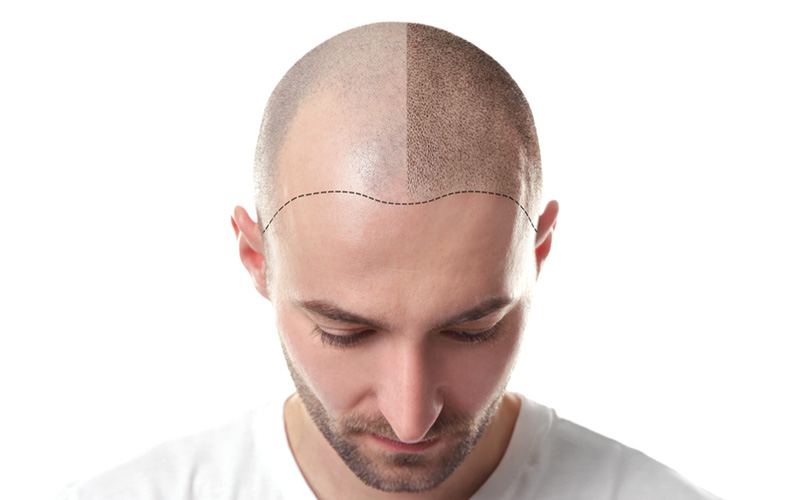
What Is a Mini Hair Transplant London Procedure?
A mini hair transplant London treatment is a smaller-scale hair restoration procedure that focuses on limited areas of thinning rather than widespread hair loss.
The procedure is commonly used for:
- Receding temples
- Small hairline gaps
- Scar camouflage
- Minor crown thinning
- Touch-up procedures after previous transplants
Because fewer grafts are needed, mini procedures are usually shorter and involve a more focused treatment plan.
Most patients undergoing these treatments require between 500 and 1,500 grafts, depending on the size of the area being restored.
Why Temple Recession Changes Facial Appearance
The temples play a major role in framing the face and shaping the hairline.
When temple hair begins thinning, the hairline can appear:
- More uneven
- Older in appearance
- Less dense around the forehead
- More recessed at the corners
A carefully planned hairline restoration London procedure can restore balance to the hairline while maintaining a natural look.
Unlike aggressive low hairline designs, modern mini transplants aim to preserve age-appropriate facial proportions.
This subtle approach is one reason many patients prefer treatment at an experienced hair clinic in London specialising in natural-looking hair restoration.
When Smaller Hair Transplant Sessions Work Best
Not every patient requires a large transplant procedure.
A mini hair transplant London session may be suitable when:
- Hair loss is still in the early stages
- Temple recession is mild to moderate
- Existing hair density remains good
- The patient wants minor refinements
- A patient seeks preventative restoration
Smaller sessions are often recommended for younger patients because they allow surgeons to improve the hairline conservatively while monitoring future hair loss progression.
This approach helps preserve donor hair for potential future procedures if needed.
How Hairline Restoration London Procedures Are Planned
Planning is one of the most important aspects of temple restoration.
During a hairline restoration London consultation, the surgeon evaluates:
- Hair density
- Donor hair quality
- Facial proportions
- Hairline symmetry
- Future hair loss risk
The goal is not simply adding hair but designing a hairline that looks natural over the long term.
Temple restoration requires careful graft placement because the hair in this area grows at flatter angles than hair in the central scalp.
Small mistakes in angle or density can affect the final appearance significantly.
Why Conservative Density Often Produces Better Results
One common misconception is that higher graft density always creates better outcomes.
In reality, a successful mini hair transplant London procedure often relies on conservative and strategic placement.
Natural temple areas typically contain softer transitions rather than dense, straight lines.
Surgeons performing hairline restoration London procedures usually create:
- Gradual density changes
- Irregular natural hairline patterns
- Soft temple angles
- Feathered frontal edges
These details help the transplanted area blend naturally with existing hair.
FUE Techniques for Mini Hair Restoration
Most mini procedures are performed using FUE (Follicular Unit Extraction) techniques.
FUE allows surgeons to extract individual follicles from the donor area with minimal scarring.
Benefits of FUE for mini procedures include:
- Small extraction sites
- Faster healing
- Natural graft placement
- Minimal visible scarring
Because mini sessions use fewer grafts, recovery is often quicker than larger hair restoration surgeries.
Patients attending a reputable hair clinic in London frequently choose FUE because it allows targeted restoration without major downtime.
Recovery After a Mini Hair Transplant London Procedure
Recovery following a mini hair transplant London treatment is generally straightforward.
Most patients experience:
- Mild redness around grafts
- Small scabs in the treated area
- Temporary tightness or sensitivity
Typical healing timeline:
First Week
Scabs begin forming and healing around transplanted follicles.
Two to Four Weeks
Some transplanted hairs temporarily shed as part of the normal growth cycle.
Three to Four Months
New hair growth starts becoming visible.
Six to Twelve Months
The final density and hairline shape gradually develop.
Because mini sessions involve smaller treatment areas, patients often return to work within several days.
Who Is a Good Candidate for Temple Restoration?
A hairline restoration London procedure may benefit patients who have:
- Early temple recession
- Uneven hairline corners
- Genetic hair thinning
- Previous transplant touch-up needs
- Small areas of thinning after injury or scarring
Patients with stable hair loss patterns and good donor density often achieve excellent results from smaller sessions.
However, a consultation is important to determine whether a mini transplant is appropriate or whether broader restoration may eventually be needed.
Long-Term Planning Matters
Hair restoration should always be approached with long-term planning in mind.
A skilled surgeon performing a mini hair transplant London procedure considers:
- Future hair loss progression
- Donor hair preservation
- Natural ageing of the hairline
- Long-term facial balance
Overly aggressive hairline lowering in younger patients can create unnatural results later in life.
This is why conservative planning is often preferred during early-stage temple restoration.
Conclusion
Temple recession may seem minor, but even small changes to the hairline can significantly affect facial appearance. A carefully designed mini hair transplant London procedure offers a targeted solution for restoring early hairline thinning while maintaining natural proportions.
Using advanced hairline restoration London techniques, surgeons can improve temple density with smaller graft sessions and minimal downtime.
For patients visiting a trusted hair clinic in London, mini transplant procedures provide a subtle and effective way to restore confidence while preserving long-term hair restoration options.

-
- Screenshot
Leave a Reply