


A beard hair transplant London procedure differs significantly from scalp hair restoration because facial hair grows in unique density patterns, directions, and textures. While scalp transplants focus on broad hair coverage, beard restoration requires detailed facial design to create a natural and balanced appearance.
Facial hair has become an important part of male grooming and identity. Many men seek beard restoration to improve patchy growth, fill scars, or create fuller beard lines. As a result, procedures performed at a specialised hair clinic in London increasingly focus on precision facial hair transplantation techniques.
Understanding why beard transplants require different density planning helps explain why this procedure demands a different surgical approach from standard scalp restoration.
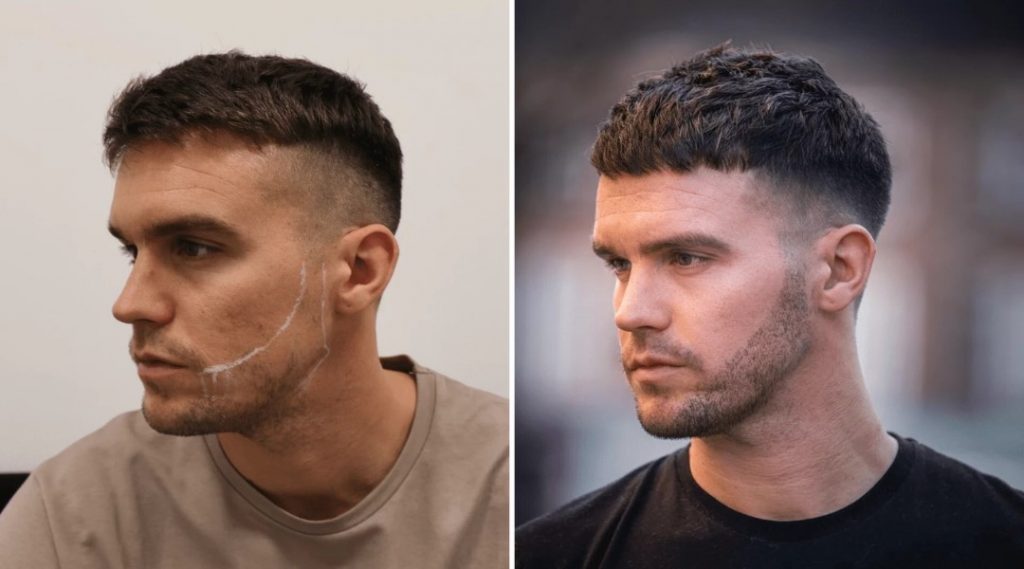
Understanding Beard Density in Beard Hair Transplant London Procedures
One of the most important aspects of a beard hair transplant London procedure is achieving realistic facial hair density.
Unlike scalp hair, beard hair naturally varies in thickness and concentration across different areas of the face.
Typical beard density patterns include:
- Denser growth along the chin and jawline
- Softer density on the cheeks
- Gradual transitions near sideburns
- Defined moustache borders
During surgery, surgeons must recreate these natural patterns rather than placing hair evenly across the face.
This customised approach helps the beard blend naturally with existing facial features.
Why Beard Density Differs From Scalp Hair Restoration
Scalp hair restoration generally focuses on maximising overall coverage across larger areas of hair loss.
However, beard restoration prioritises:
- Facial symmetry
- Natural density variation
- Hair direction
- Sharp beard line definition
A beard hair transplant London procedure requires careful spacing between grafts to avoid an unnatural “plugged” appearance.
Beard follicles also grow at flatter angles against the skin compared with scalp hair. This means surgeons must control both graft density and implantation direction simultaneously.
These technical differences are why many patients choose an experienced hair clinic in London specialising in facial hair restoration.
How Facial Hair Texture Affects Beard Transplant Results
Another reason beard transplants differ from scalp procedures is the texture of facial hair.
Beard hair is usually:
- Thicker
- Coarser
- More curled
- More directional
When performing a facial hair transplant, surgeons select donor follicles carefully to match natural beard characteristics as closely as possible.
The donor area is typically the back of the scalp because those follicles are genetically resistant to hair loss. However, not all scalp hairs are suitable for beard restoration.
The surgeon must balance graft texture, curl pattern, and density to create realistic facial hair growth.
Designing Natural Beard Density
A successful beard hair transplant London procedure depends heavily on artistic facial design.
Before surgery, the surgeon analyses:
- Facial proportions
- Existing beard pattern
- Desired beard thickness
- Jawline shape
- Ethnic hair characteristics
Different beard styles require different density levels.
For example:
Light Beard Styles
Require softer graft placement and lower density.
Full Beard Styles
Need greater graft concentration around the jawline and chin.
Defined Beard Lines
Require precise edge design for sharp facial framing.
During a facial hair transplant, grafts are implanted individually to recreate these natural patterns.
Beard Hair Growth Direction Matters
Density alone does not create a natural-looking beard. Hair direction is equally important.
Beard hair changes direction across different parts of the face:
- Sideburn hairs grow downward
- Cheek hairs angle diagonally
- Chin hairs grow more vertically
- Moustache hairs grow outward and downward
During a beard hair transplant London procedure, surgeons place each graft according to these natural growth patterns.
Incorrect angles can make the beard appear artificial or difficult to groom.
This level of detail is one reason specialised facial hair restoration requires advanced surgical experience.
Recovery After Beard Transplant Surgery
Recovery following a beard hair transplant London procedure is usually straightforward.
Patients commonly experience:
- Mild redness
- Small scabs around grafts
- Temporary swelling
The healing process generally follows this timeline:
First Week
Tiny scabs form around implanted follicles and begin healing.
Two to Three Weeks
Some transplanted hairs may shed temporarily as part of the normal hair cycle.
Three to Four Months
New facial hair growth begins to appear.
Six to Twelve Months
Full beard density gradually develops.
Most patients return to normal daily activities within several days after surgery.
Who Is a Good Candidate for Beard Hair Restoration?
A facial hair transplant may be suitable for men who have:
- Patchy beard growth
- Uneven facial hair density
- Beard scars
- Naturally thin beard areas
- Hair loss from injury or over-plucking
Patients visiting a professional hair clinic in London often choose beard restoration to improve facial definition and confidence.
The procedure can also help create stronger jawline framing and more balanced facial proportions.
Long-Term Maintenance and Grooming
One important difference between transplanted beard hair and natural facial hair is that transplanted follicles retain characteristics from the donor area.
Because donor hairs originate from the scalp, they may:
- Grow slightly faster
- Require regular trimming
- Have minor texture differences initially
Over time, transplanted hairs often blend more naturally with existing facial hair.
Patients undergoing a beard hair transplant London procedure are usually advised to maintain regular grooming routines to preserve beard shape and symmetry.
Why Surgeon Experience Is Critical
Facial hair transplantation combines surgical precision with artistic facial design.
A successful beard hair transplant London procedure depends on:
- Proper graft density
- Correct implantation angles
- Natural beard line design
- Balanced facial proportions
Surgeons performing facial hair transplant procedures must understand how beard density influences the overall appearance of the face.
Choosing an experienced clinic significantly improves the likelihood of achieving realistic and natural-looking results.
Conclusion
Beard restoration is far more complex than simply transferring hair follicles to the face. The density, direction, texture, and facial design all play a major role in creating natural results.
A properly planned beard hair transplant London procedure uses advanced techniques to recreate realistic beard growth patterns while maintaining facial balance and symmetry.
For patients seeking treatment at a trusted hair clinic in London, beard transplantation offers a long-term solution for patchy or uneven facial hair while enhancing overall facial definition.

-
- Screenshot

Leave a Reply